
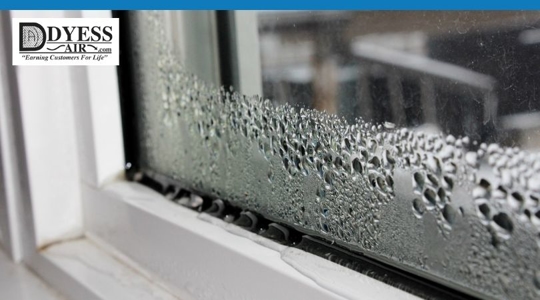
You notice it every time the air conditioning kicks on in your Bluffton home. The cool air feels great, but there is that faint musty smell around the vents that just does not seem to go away. Maybe you have seen a few dark spots on a register, or you are wondering if something inside your HVAC system is growing where you cannot see it.
In Bluffton’s humid coastal climate, that concern is not imagined. High humidity, long cooling seasons, and constantly running air conditioners create conditions that make mold inside parts of your HVAC system more likely. That does not mean you have to live with it, but it does mean preventing mold takes more than spraying a vent or changing a filter once in a while.
At Dyess Air & Plumbing, we have been working on HVAC systems across South Carolina and Georgia since 1984, including many homes and businesses in humid areas like Bluffton. Over four decades, our NATE-certified technicians have seen the same patterns in coils, drain pans, and ductwork, and we have learned what actually keeps mold under control in this climate. In this guide, we will share how mold really starts in HVAC systems here and the practical steps you can take to reduce the risk.
Get A+ BBB-Rated service when and where you need it. Call (843) 242-0855 or contact us online now to schedule HVAC services in Bluffton. We also serve customers around Claxton and Rincon, GA.
Why Bluffton Homes Are So Prone To Mold In HVAC Systems
Bluffton sits in a part of the Lowcountry where heat and humidity dominate much of the year. Air conditioners and heat pumps run for long stretches to keep indoor spaces comfortable. Each time warm, moist outdoor air enters your home and passes through the system, it brings water vapor that has to go somewhere. The cooling process pulls that moisture out of the air, and it ends up inside your HVAC components.
Inside your air handler, the evaporator coil is much colder than the surrounding air. As warm, humid air passes over it, moisture condenses on the metal surfaces and drips into a drain pan below. In Bluffton, where outdoor humidity often stays high even at night, that coil can stay damp for hours after each cycle. That ongoing source of moisture is the first ingredient mold needs.
Because the cooling season is long, that wet environment is not just a weekend issue, it can be present for months at a time. Even well-installed systems are simply asked to handle more moisture than similar equipment in a drier region. Over our 40-plus years serving coastal South Carolina and Georgia, we have seen that this extended wet time inside the system is a major reason Bluffton homes and businesses can be more prone to mold buildup if maintenance and design details are not dialed in.
Where Mold Actually Grows Inside Your HVAC System
Many people picture mold only on the visible parts of their system, such as the supply registers or return grilles. Those spots can show growth, but they are usually the tip of the iceberg. The real activity often happens deeper inside, where moisture and dust collect out of sight. Understanding those hidden areas is key if you want to prevent mold rather than just wipe away what you can see.
One of the most common problem areas is the evaporator coil. As air passes through, dust and other particles in the air can stick to the wet fins. Over time, that film becomes a food source for mold and other microbes. Because the underside of the coil is not easy to see without opening the air handler, buildup can develop for years before anyone realizes how dirty it has become.
Below that coil sits the condensate drain pan. Its job is to catch water dripping off the coil and direct it into a drain line. In Bluffton’s humidity, that pan may hold water for long periods. If the drain line begins to clog with algae, rust, or debris, water can stand in the pan instead of flowing out. Standing water plus dust equals a breeding ground for mold and slime that can spread spores into your airstream.
Ductwork can also harbor mold, especially where it runs through hot attics or damp crawl spaces. Metal ducts that are not well insulated can sweat when cool air runs through them and meets hot, humid surrounding air. That condensation can dampen the duct surface or insulation. Flexible duct with damaged outer jackets or poor sealing at joints can pull in humid crawl space air and dust. Over time, those conditions support growth on the inner surfaces where air flows to your rooms.
When you see mold or staining on a ceiling vent, it often means moisture and growth have been present somewhere upstream. During inspections, our NATE-certified technicians frequently find significant biofilm on coil surfaces or inside air handlers even in systems where vents look relatively clean from the outside. That is why prevention has to focus on the whole system, not just what is visible in the living room.
How Moisture, Airflow, And System Settings Fuel Mold Growth
Mold needs three basic things to grow: moisture, a food source, and time. In an HVAC system, moisture comes from condensation, the food source is usually dust and other organic particles, and time is determined by how often parts of the system stay damp. The way your system moves air and the way it is set up to run influence all three of these factors.
Moisture is created each time warm indoor air passes over the cold evaporator coil and water condenses. In Bluffton, that moisture load is high because the air coming into the system carries so much water vapor. If the coil stays wet between cycles, mold has more time to get established. One setting that affects this is the fan mode on your thermostat. If the fan is set to “On” instead of “Auto,” it will blow air across that damp coil even when the system is not actively cooling. That can re-evaporate moisture into the ducts and keep surfaces moist longer, giving mold more opportunity to grow.
Airflow and run time also matter. A system that is oversized for the home can cool the temperature quickly, then shut off, a pattern often called short cycling. While the air may feel cooler, the system has not run long enough to pull much moisture out of the air. Indoor relative humidity can stay high, often above the range where mold becomes much more likely to thrive. In Bluffton’s climate, that combination of high indoor humidity and frequent on-and-off cycles is a recipe for growth in ducts, around vents, and on nearby surfaces.
Restricted airflow can add another layer of risk. Dirty filters, blocked return grilles, or closed supply vents make it harder for air to move over the coil. This can cause parts of the coil to get colder than they should, leading to more condensation in certain spots and sometimes even ice buildup that later melts into the drain pan. That extra water load stresses the drain system and increases the amount of damp surface area inside the unit.
Because moisture, airflow, and settings are so tightly linked, solving mold issues means looking at all three. At Dyess Air & Plumbing, we invest in ongoing training and modern diagnostic tools that help us evaluate not just whether a coil is dirty, but how the system is actually handling humidity, airflow, and run times in real Lowcountry conditions. That deeper view is often what separates temporary fixes from long-term improvement.
Everyday Habits That Help Prevent Mold In Your HVAC System
While some mold risks come down to design and maintenance, there are several day-to-day habits that can make a real difference, especially in a humid place like Bluffton. These are practical steps you can manage yourself that support what your system is trying to do and reduce the conditions mold needs to grow. None of them requires special tools, just attention and consistency.
Filter habits are a good starting point. Using the type of filter recommended for your equipment and changing it on an appropriate schedule helps keep dust and other organic particles out of the system. In Bluffton, where systems run hard through long cooling seasons, filters often need replacement more frequently than the generic “every 90 days” advice. A clean filter improves airflow across the coil, reduces dust buildup on wet surfaces, and helps the system dehumidify more effectively.
Thermostat settings are another simple but powerful tool. Keeping the fan set to “Auto” during our humid months allows the blower to run only when the system is cooling or heating. This gives moisture a chance to drain away from the coil between cycles instead of being blown back into the ducts. Setting a reasonable temperature, rather than very low settings that cause short cycling, also helps the system run longer dehumidification cycles, which keeps indoor humidity in a healthier range.
Around the house, you can support your HVAC system by managing other moisture sources. Use bathroom exhaust fans during and after showers, and run kitchen exhaust when cooking to pull steam out instead of letting it spread. Avoid blocking supply or return vents with furniture or rugs so that air can circulate freely. Keep an eye out for early warning signs such as new musty odors when the system turns on, visible moisture on vents, or water around the indoor unit, and do not ignore them. Catching small issues early makes professional correction much easier.
These everyday steps work best when combined with regular professional attention. Many of our Bluffton customers find that once they pair good filter and thermostat habits with scheduled maintenance, they see fewer odors, cleaner vents, and more stable comfort. You handle the daily environment, and we handle the parts of the system you cannot easily see.
Professional Maintenance Tasks That Make The Biggest Difference
Some of the most important mold prevention work happens in areas that are not safe or practical for homeowners to open on their own. Professional maintenance focuses on keeping key components clean, dry, and draining correctly, so mold has fewer opportunities to take hold. In a climate like Bluffton, skipping these tasks for a few years can be enough for significant buildup to develop.
A central part of this work is cleaning the evaporator coil correctly. Over time, dust and biofilm can coat the coil fins and reduce both cooling performance and drainage. Our NATE-certified technicians are trained to access the coil, use appropriate cleaning solutions, and remove debris without bending or damaging the delicate fins. This kind of cleaning not only improves efficiency, it removes the film that mold and other microbes use as a foothold on a constantly damp surface.
The condensate drain system is another frequent trouble spot. In Bluffton’s humidity, algae, slime, and rust can gradually narrow drain lines or block traps. During maintenance, we inspect the drain pan for signs of standing water, corrosion, or microbial growth, then clear and flush the drain line as needed. We also verify that the line is sloped correctly so water flows out instead of lingering. Addressing these issues proactively helps reduce the chance of overflows, water damage, and the stagnant pools where mold thrives.
Ductwork and the indoor blower assembly also deserve attention. Technicians look for dust buildup on blower blades, which can throw off balance and reduce airflow, and check accessible duct connections for signs of leaks, poor sealing, or sweating in attics and crawl spaces. Where we see moisture issues, we can recommend targeted sealing or insulation improvements. Because our team follows a detailed maintenance checklist and conducts quality checks at the end of each visit, we can confirm that components like drain lines, pans, and blower operation are performing the way they should before we leave your property.
Our customer-first approach and commitment to clean, respectful service means we treat your home as if it were our own. When we handle mold-related maintenance, we take care to protect surrounding areas, clean up workspaces, and communicate clearly about what we found and what we recommend next. That combination of technical care and clear communication helps many Bluffton homeowners feel confident they are taking the right steps to protect their indoor air.
System Upgrades That Help Control Humidity And Mold
For some Bluffton homes and businesses, even good habits and regular maintenance are not quite enough. Perhaps the building has high internal moisture loads, or the existing system was sized and installed without much attention to humidity control. In those cases, upgrades focused on moisture and air quality can make a noticeable difference in both comfort and mold prevention.
One powerful tool is a whole-home dehumidifier that integrates with your HVAC system. Instead of relying on your air conditioner alone to remove moisture, a dedicated dehumidifier can run longer, lower-energy cycles to pull water vapor out of the air, even when the thermostat temperature is already comfortable. By keeping indoor relative humidity in a more stable, moderate range, these systems help dry out areas that would otherwise stay borderline damp for much of the summer.
Another option some homeowners consider is installing UV lights near the evaporator coil or inside the air handler. These lights are designed to limit microbial growth on coil surfaces and nearby components by exposing them to ultraviolet energy over time. While UV lights are not a standalone cure for mold, they can be a useful part of a broader strategy that also includes cleaning, drainage, and humidity control.
Duct sealing and insulation upgrades can also contribute to mold prevention. Leaky or uninsulated ducts in a hot attic can pull in humid air, cause sweating on metal, and create cold spots where condensation forms. By sealing joints and improving insulation, we reduce these temperature swings and moisture problems. In some cases, if a system is significantly oversized or outdated and cannot manage humidity well, we may discuss replacement options that better match the home’s load and use patterns.
Because Dyess Air & Plumbing provides full-service comfort solutions across HVAC, indoor air quality, and plumbing, we can look at the entire picture, including condensate management and any related plumbing issues. Our investment in modern technology and continuous improvement means we can recommend upgrades that make sense for how you live or work, rather than generic add-ons that do little for Bluffton’s specific climate challenges.
When Mold In Your HVAC System Calls For Professional Help
Not every musty smell means you have a severe mold problem, but there are clear signs that it is time to have your system professionally evaluated. Paying attention to those warnings can prevent small moisture issues from turning into larger damage or ongoing air quality concerns. It can also save you from spending money on quick-fix products that do not address the underlying cause.
Persistent musty or earthy odors whenever the system starts, visible growth on multiple vents or around the indoor unit, recurring water around the air handler, or repeated drain pan overflows are all reasons to call in a trained technician. Unexplained condensation on ducts or registers, especially in attics and crawl spaces, is another red flag in Bluffton’s humid environment. If you have tried improving filter habits and using exhaust fans but the smell or staining keeps returning, there is a good chance moisture inside the system needs professional attention.
Off-the-shelf sprays, foggers, or fragrance devices may mask odors briefly, but they rarely reach hidden coil surfaces, drain pans, or interior duct sections. More importantly, they do not correct clogged drains, sweating ducts, or high indoor humidity. Without solving those issues, any mold or microbial growth that is removed can come back. That is why a thorough evaluation is usually more effective and more cost-efficient in the long run than repeating surface treatments.
When you schedule a visit with Dyess Air & Plumbing, our team looks beyond the obvious. An evaluation focused on mold and moisture might include inspecting the coil and drain pan, checking and clearing the condensate drain line, assessing ductwork for leaks or sweating, and reviewing thermostat settings and system operation to see how well it is handling Bluffton’s humidity. We explain what we find in plain language and outline options that fit your home or business and your comfort goals.
Our owner, Mitch, built this company on integrity, trust, and respect, and that philosophy guides every service we provide. Through our Homeowner’s Guarantee, we stand behind our work and commit to making things right if you are not satisfied. For many customers, that promise, combined with clean, respectful service and thorough quality checks, makes it easier to take the next step when they are worried about mold in their HVAC system.
Protect Your Bluffton Home With Targeted HVAC Mold Prevention
In a place as warm and humid as Bluffton, some moisture inside your HVAC system is unavoidable. What you can control is how that moisture is managed. By understanding where mold really grows, how airflow and settings affect moisture, and which habits and maintenance tasks matter most, you can make your system a much less friendly place for mold to take hold. The payoff is cleaner air, better comfort, and fewer surprises when your system is working hardest.
Call (843) 242-0855 today to schedule an HVAC evaluation focused on preventing mold and improving the air you breathe.